

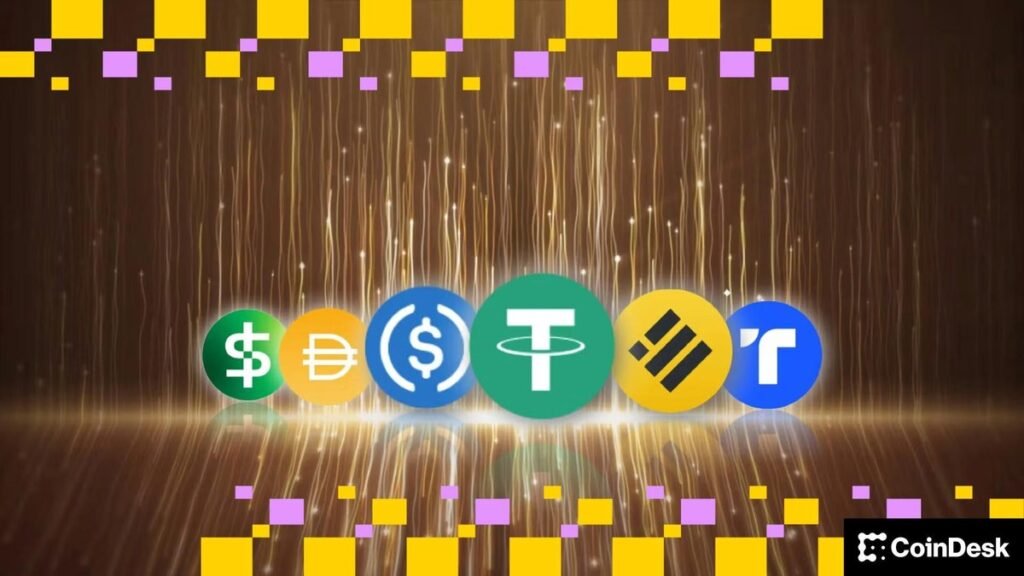

In a notable trend, capital is increasingly being redirected into digital dollars, a movement that coincides with a period of stagnation for bitcoin. This shift underscores a broader evolution in the cryptocurrency landscape, where investors are diversifying their portfolios and exploring alternatives to the pioneering digital coin. As of March 2023, this transition is marked by a significant influx of investments into stablecoins and other digital assets, signaling a potential reconfiguration of the cryptocurrency market.
The migration of capital into digital dollars is a multifaceted phenomenon, driven by a combination of factors including the quest for stability, the appeal of innovation, and the pursuit of yield. Stablecoins, in particular, have emerged as a favored destination for investors seeking to mitigate the volatility associated with cryptocurrencies like bitcoin. By pegging their value to that of traditional currencies, stablecoins offer a measure of stability that is increasingly attractive in a market characterized by fluctuating prices and regulatory uncertainty.
As bitcoin’s price has experienced a downturn, reaching lows of $29,000 in June 2023, investors have begun to reassess their strategies, seeking out opportunities that promise greater stability and potential for growth. This reassessment is not limited to retail investors; institutional players are also adjusting their approaches, with many opting to allocate a portion of their portfolios to digital assets beyond bitcoin. The rationale behind this diversification effort is twofold: to maximize returns and to hedge against the risks inherent in a market that remains largely unregulated and subject to sudden shifts in sentiment.
The flow of capital into digital dollars is further facilitated by advancements in technology and infrastructure. The development of more sophisticated trading platforms, the expansion of payment systems, and the introduction of novel financial instruments have collectively contributed to a more accessible and user-friendly environment for investors. This enhanced infrastructure has not only lowered barriers to entry for new participants but has also enabled more seasoned investors to engage with the market in a more nuanced and strategic manner.
Moreover, the regulatory environment is undergoing significant changes, with various jurisdictions implementing frameworks designed to oversee and govern the activities of cryptocurrency exchanges, wallet providers, and other industry participants. While these regulatory efforts are intended to provide clarity and protection for investors, they also introduce a degree of complexity, as companies must navigate a patchwork of laws and guidelines that vary by country and, in some cases, by state.
In the words of Michael Saylor, CEO of MicroStrategy, “The shift towards digital dollars represents a significant milestone in the evolution of the cryptocurrency market. As investors become more sophisticated and the infrastructure continues to improve, we can expect to see further diversification and innovation within the space.” This perspective is shared by other industry leaders, who view the current transition as an opportunity for growth and maturation, rather than a setback.
As the cryptocurrency market continues to mature, it is likely that we will witness a proliferation of digital assets, each with its unique characteristics and use cases. The flow of capital into digital dollars is merely one facet of a broader narrative, one that is marked by experimentation, innovation, and an ongoing quest for value and utility. Whether this trend will continue and what its long-term implications might be remain open questions, but one thing is clear: the cryptocurrency landscape is undergoing a profound transformation, and investors, regulators, and industry participants alike are closely watching its evolution.
In conclusion, the shift of capital into digital dollars as bitcoin’s momentum slows is a complex and multifaceted phenomenon, driven by a variety of factors and influenced by a range of stakeholders. As the market continues to evolve, it is essential to monitor developments closely, recognizing both the opportunities and the challenges that this evolving landscape presents. With its potential for innovation, growth, and financial inclusion, the future of digital currencies looks promising, though it is not without its uncertainties and risks. As such, a nuanced understanding of the trends, technologies, and regulatory frameworks that are shaping this space is crucial for investors, policymakers, and anyone seeking to navigate the burgeoning world of digital assets.