

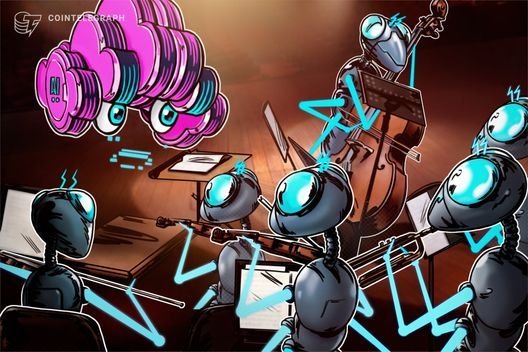


The integration of artificial intelligence in music composition has led to a significant shift in the way music is created, distributed, and consumed. However, this emerging trend also poses complex challenges, particularly when it comes to music licensing, remixes, and ownership. The current system often struggles to keep pace with the rapid evolution of AI-generated music, leading to confusion and potential disputes over rights and royalties.
Blockchains, with their inherent ability to embed smart contracts, offer a promising solution to these issues. By leveraging blockchain technology, it becomes possible to automate the process of royalty payments and provenance, ensuring that creators are fairly compensated for their work. This not only streamlines the music licensing process but also provides a transparent and tamper-proof record of ownership and rights, thereby protecting the interests of all parties involved.
The implementation of blockchain-based infrastructure for AI music could have far-reaching implications, enabling the efficient and scalable management of rights and royalties. As the music industry continues to evolve, with AI-generated content playing an increasingly prominent role, the need for a robust, reliable, and transparent system for managing these rights becomes ever more pressing. By harnessing the power of blockchain technology, the music industry can unlock new opportunities for creators, promote innovation, and foster a more equitable and sustainable ecosystem for all stakeholders.
Ultimately, the future of AI music hinges on the development of a comprehensive and integrated blockchain-based infrastructure. This infrastructure would not only facilitate the seamless licensing and distribution of AI-generated music but also provide a secure and transparent framework for managing rights, royalties, and ownership. As the industry moves forward, it is crucial that stakeholders prioritize the creation of such an infrastructure, ensuring that the benefits of AI music are realized while also protecting the rights and interests of creators and consumers alike.
In conclusion, the advent of AI music has introduced a new set of challenges and opportunities for the music industry. By embracing blockchain technology and its potential to automate royalty payments, provenance, and ownership, the industry can create a more efficient, transparent, and equitable system for managing AI-generated music. As the music landscape continues to evolve, the integration of blockchain and AI is poised to play a pivotal role in shaping the future of music creation, distribution, and consumption.
AI music licensing breaks on remixes and ownership. Blockchains embed smart contract royalties and provenance, automating creator compensation at scale.
The use of blockchain technology in the music industry is not a new concept, but its application in the context of AI-generated music is still in its infancy. As the industry continues to explore the potential of blockchain, it is likely that we will see significant advancements in the development of blockchain-based infrastructure for AI music.
One of the primary advantages of using blockchain technology in the music industry is its ability to provide a secure and transparent record of ownership and rights. This is particularly important in the context of AI-generated music, where the question of ownership and authorship can be complex and contentious. By using blockchain to establish a clear and tamper-proof record of ownership, creators can ensure that their rights are protected and that they are fairly compensated for their work.
Furthermore, blockchain technology can also be used to automate the process of royalty payments, ensuring that creators are paid promptly and efficiently. This can be particularly beneficial for AI-generated music, where the process of tracking and managing royalties can be complex and time-consuming. By using blockchain to automate this process, creators can focus on what they do best – creating music – while also ensuring that they are fairly compensated for their work.
In addition to its potential to provide a secure and transparent record of ownership and automate royalty payments, blockchain technology can also be used to promote innovation and creativity in the music industry. By providing a platform for creators to share and collaborate on music, blockchain can help to foster a more vibrant and dynamic music ecosystem.
As the music industry continues to evolve, it is likely that we will see significant advancements in the development of blockchain-based infrastructure for AI music. As stakeholders explore the potential of blockchain technology, it is crucial that they prioritize the creation of a comprehensive and integrated infrastructure that can support the unique needs of AI-generated music. By doing so, the industry can unlock new opportunities for creators, promote innovation, and foster a more equitable and sustainable ecosystem for all stakeholders.
The development of blockchain-based infrastructure for AI music is a complex and challenging task, but it is also a crucial step towards unlocking the full potential of AI-generated music. As the industry moves forward, it is essential that stakeholders work together to create a system that is fair, transparent, and efficient, and that promotes the interests of creators and consumers alike.
In the end, the success of AI music will depend on the ability of the industry to create a robust and reliable infrastructure that can support the unique needs of AI-generated music. By harnessing the power of blockchain technology, the industry can create a more efficient, transparent, and equitable system for managing rights, royalties, and ownership, and can unlock new opportunities for creators and consumers alike.
As the music industry continues to evolve, it is crucial that stakeholders prioritize the development of blockchain-based infrastructure for AI music. This infrastructure will provide a secure and transparent framework for managing rights, royalties, and ownership, and will promote innovation and creativity in the music ecosystem. By working together to create this infrastructure, the industry can ensure that the benefits of AI music are realized, and that the rights and interests of creators and consumers are protected.
The integration of blockchain technology and AI-generated music has the potential to revolutionize the music industry, and it is essential that stakeholders prioritize the creation of a comprehensive and integrated infrastructure to support this emerging trend. By doing so, the industry can unlock new opportunities, promote innovation, and foster a more equitable and sustainable ecosystem for all stakeholders.
In conclusion, the future of AI music depends on the development of a robust and reliable blockchain-based infrastructure. This infrastructure will provide a secure and transparent framework for managing rights, royalties, and ownership, and will promote innovation and creativity in the music ecosystem. As the industry moves forward, it is crucial that stakeholders work together to create a system that is fair, transparent, and efficient, and that promotes the interests of creators and consumers alike.
The use of blockchain technology in the music industry has the potential to transform the way music is created, distributed, and consumed. As the industry continues to explore the potential of blockchain, it is likely that we will see significant advancements in the development of blockchain-based infrastructure for AI music.
One of the primary advantages of using blockchain technology in the music industry is its ability to provide a secure and transparent record of ownership and rights. This is particularly important in the context of AI-generated music, where the question of ownership and authorship can be complex and contentious. By using blockchain to establish a clear and tamper-proof record of ownership, creators can ensure that their rights are protected and that they are fairly compensated for their work.
Furthermore, blockchain technology can also be used to automate the process of royalty payments, ensuring that creators are paid promptly and efficiently. This can be particularly beneficial for AI-generated music, where the process of tracking and managing royalties can be complex and time-consuming. By using blockchain to automate this process, creators can focus on what they do best – creating music – while also ensuring that they are fairly compensated for their work.
In addition to its potential to provide a secure and transparent record of ownership and automate royalty payments, blockchain technology can also be used to promote innovation and creativity in the music industry. By providing a platform for creators to share and collaborate on music, blockchain can help to foster a more vibrant and dynamic music ecosystem.
As the music industry continues to evolve, it is likely that we will see significant advancements in the development of blockchain-based infrastructure for AI music. As stakeholders explore the potential of blockchain technology, it is crucial that they prioritize the creation of a comprehensive and integrated infrastructure that can support the unique needs of AI-generated music. By doing so, the industry can unlock new opportunities for creators, promote innovation, and foster a more equitable and sustainable ecosystem for all stakeholders.
The development of blockchain-based infrastructure for AI music is a complex and challenging task, but it is also a crucial step towards unlocking the full potential of AI-generated music. As the industry moves forward, it is essential that stakeholders work together to create a system that is fair, transparent, and efficient, and that promotes the interests of creators and consumers alike.
In the end, the success of AI music will depend on the ability of the industry to create a robust and reliable infrastructure that can support the unique needs of AI-generated music. By harnessing the power of blockchain technology, the industry can create a more efficient, transparent, and equitable system for managing rights, royalties, and ownership, and can unlock new opportunities for creators and consumers alike.
As the music industry continues to evolve, it is crucial that stakeholders prioritize the development of blockchain-based infrastructure for AI music. This infrastructure will provide a secure and transparent framework for managing rights, royalties, and ownership, and will promote innovation and creativity in the music ecosystem. By working together to create this infrastructure, the industry can ensure that the benefits of AI music are realized, and that the rights and interests of creators and consumers are protected.
The integration of blockchain technology and AI-generated music has the potential to revolutionize the music industry, and it is essential that stakeholders prioritize the creation of a comprehensive and integrated infrastructure to support this emerging trend. By doing so, the industry can unlock new opportunities, promote innovation, and foster a more equitable and sustainable ecosystem for all stakeholders.
In conclusion, the future of AI music depends on the development of a robust and reliable blockchain-based infrastructure. This infrastructure will provide a secure and transparent framework for managing rights, royalties, and ownership, and will promote innovation and creativity in the music ecosystem. As the industry moves forward, it is crucial that stakeholders work together to create a system that is fair, transparent, and efficient, and that promotes the interests of creators and consumers alike.
AI music licensing breaks on remixes and ownership. Blockchains embed smart contract royalties and provenance, automating creator compensation at scale.