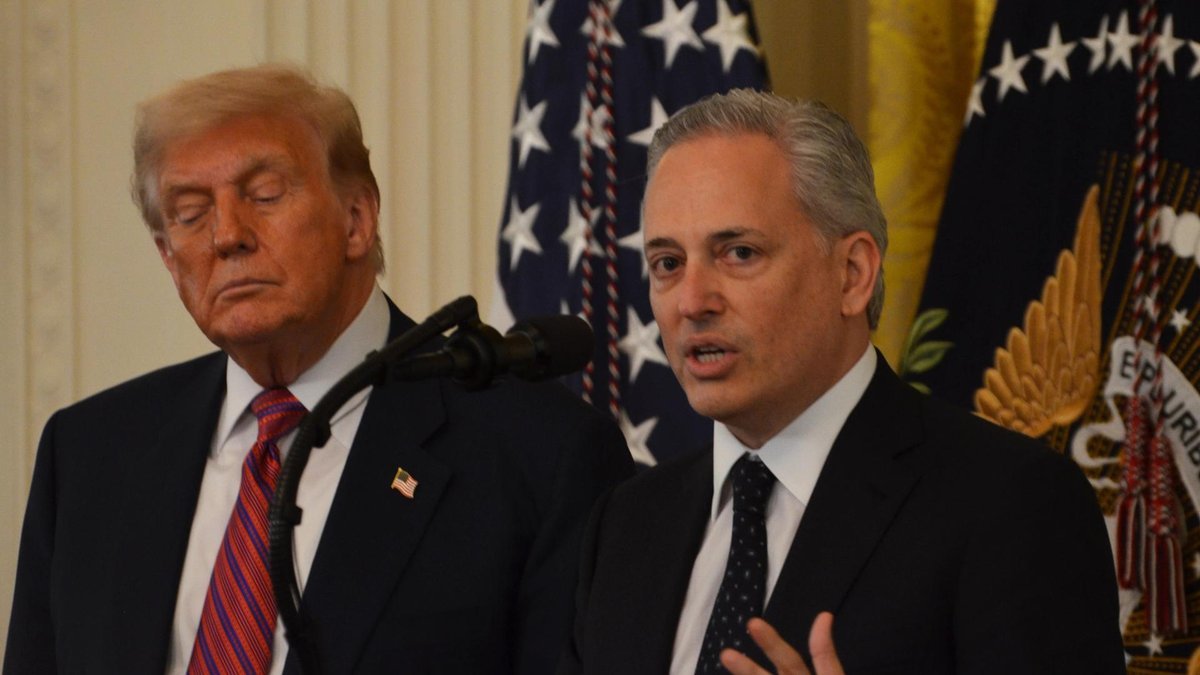




In a recent address, Jon Herrick, the Chief Product Officer at the New York Stock Exchange (NYSE), emphasized the importance of using blockchain technology in a way that complements traditional market structures, rather than replacing them. According to Herrick, who spoke to the audience on March 26, blockchain should be integrated into existing frameworks, such as central clearing, to maximize its potential benefits. This perspective comes at a time when significant developments, including ICE’s acquisition of OKX and the Securities and Exchange Commission’s (SEC) moves regarding tokenized stocks, are redefining the landscape of the financial markets.
Herrick’s stance on the role of blockchain in traditional markets highlights the need for a collaborative approach. Emerging technologies should be harnessed to enhance the efficiency, transparency, and security of existing systems, rather than attempting to supplant them entirely. The NYSE CPO’s comments underscore the complex interplay between innovation and tradition in the financial sector. Industry leaders are navigating the challenges and opportunities presented by the integration of blockchain and other digital technologies.
As the financial industry continues to evolve, landmark deals like the Intercontinental Exchange (ICE) acquiring OKX, and regulatory bodies like the SEC taking steps to provide clarity on the treatment of tokenized stocks, make it clear that a nuanced understanding of blockchain’s role is crucial. By advocating for a complementary role for blockchain, Herrick’s remarks reflect a forward-thinking approach. This approach seeks to balance the potential of new technologies with the stability and reliability of established market systems. It’s about finding a way to make the most of innovation without disrupting the foundations of the financial sector.
The ongoing dialogue about integrating blockchain into traditional financial markets is set against the backdrop of rapid technological advancement and shifting regulatory landscapes. Key stakeholders, including exchanges, regulatory bodies, and industry leaders, are working towards creating a more cohesive and efficient market structure. The insights provided by figures like Jon Herrick offer valuable perspectives on the path forward. By emphasizing the potential for blockchain to augment, rather than replace, existing market infrastructure, Herrick’s comments contribute to a deeper understanding of the complex interplay between technological innovation and traditional market mechanisms. This understanding will ultimately inform strategies for the successful integration of these elements in the pursuit of a more robust and resilient financial system.
Furthermore, the discussion around the role of blockchain in traditional markets, as highlighted by Herrick’s remarks, serves as a reminder of the multifaceted nature of the financial industry’s transformation. As the sector continues to grapple with the implications of emerging technologies, the need for a thoughtful and coordinated approach to integration becomes increasingly evident. By exploring the ways in which blockchain can be used to support and enhance existing market structures, rather than seeking to disrupt them, industry stakeholders can work towards creating a more sustainable and equitable financial system. This system would leverage the benefits of technological innovation while minimizing potential risks and disruptions.
In conclusion, Jon Herrick’s comments on the complementary role of blockchain in traditional markets offer a timely reminder of the importance of a balanced approach to technological integration. As the financial industry moves forward, navigating the complexities of innovation and tradition, the insights provided by leaders like Herrick will play a crucial role in shaping the future of the sector. By embracing the potential of blockchain and other digital technologies, while also acknowledging the value and resilience of established market systems, the industry can work towards creating a more robust, efficient, and inclusive financial framework. This framework would benefit all stakeholders, and that’s a goal worth striving for. The future of the financial sector depends on finding the right balance between innovation and tradition, and it’s conversations like these that will help us get there.