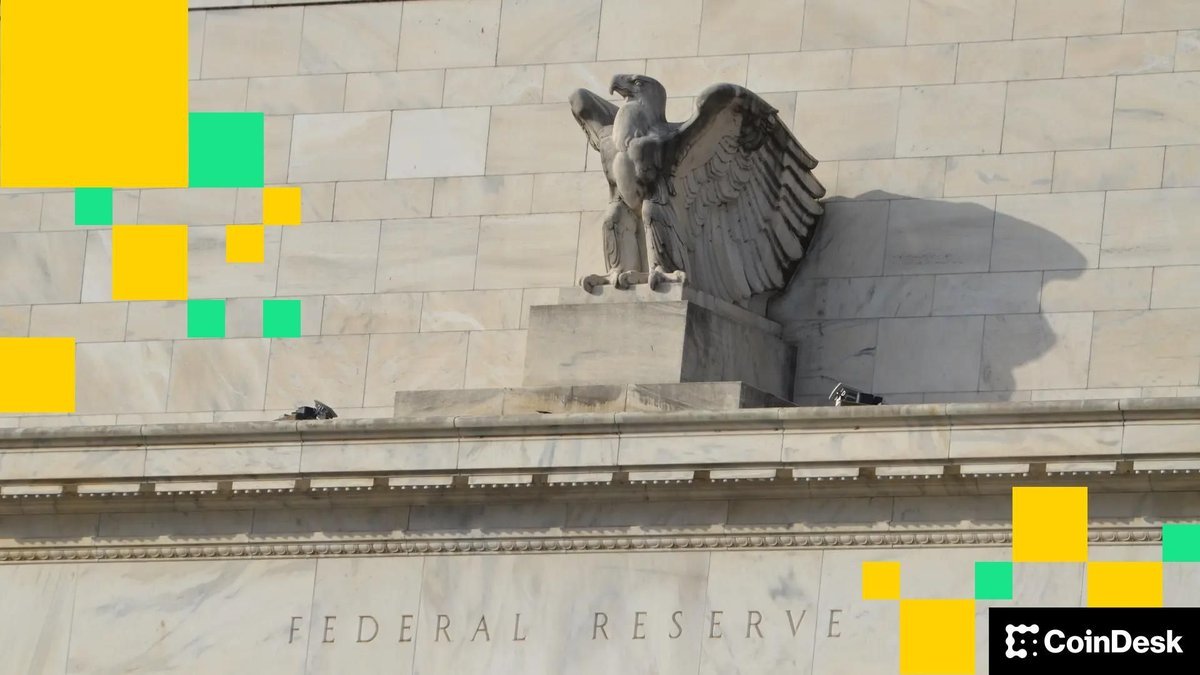




The prospect of interest rate increases is gaining traction, with the US Federal Reserve and the Bank of Japan now being closely watched for potential hikes. As the global economy continues to navigate the complexities of inflation, economic growth, and monetary policy, market participants are increasingly betting on rate hikes from these two major central banks.
The Federal Reserve, in particular, has been at the forefront of discussions surrounding rate hikes, with many analysts predicting that the Fed will raise interest rates in the near future. This speculation has been fueled by recent economic data, which suggests that the US economy is continuing to grow at a steady pace, despite some signs of slowing down. The Fed’s decision to raise interest rates would be aimed at mitigating the risks of inflation, which has been a major concern for policymakers in recent months.
Meanwhile, the Bank of Japan is also facing pressure to reassess its monetary policy stance, with some market participants betting on a potential rate hike in the coming months. The Japanese economy has been experiencing a period of moderate growth, driven in part by the government’s fiscal stimulus measures and the Bank of Japan’s aggressive monetary easing policies. However, with inflation still below the central bank’s target rate, there are concerns that the Bank of Japan may need to adjust its policy framework to achieve its inflation goals.
The potential for rate hikes from the Fed and the Bank of Japan has significant implications for financial markets, as investors and traders seek to position themselves for the expected changes in monetary policy. The US dollar and the Japanese yen are likely to be affected, as well as bond yields and stock prices. As such, market participants are closely watching the statements and actions of both central banks, seeking clues about their future policy decisions.
The Fed’s next monetary policy meeting is scheduled for March 15-16, and market participants are eagerly awaiting the central bank’s decision on interest rates. The Bank of Japan’s next policy meeting is set for April 27-28, and it is expected that the central bank will provide further guidance on its monetary policy stance at that time. As the global economy continues to evolve, the decisions made by these two central banks will have far-reaching implications for financial markets and the broader economy.
In a recent statement, Fed Chairman Jerome Powell said, “We will continue to monitor the data and adjust our policy stance as needed to achieve our dual mandate of maximum employment and price stability.” This statement has been interpreted by some as a sign that the Fed is preparing to raise interest rates, although the exact timing and magnitude of any rate hike remain uncertain.
The Bank of Japan’s Governor, Haruhiko Kuroda, has also been speaking publicly about the central bank’s monetary policy framework, stating that “we will continue to pursue powerful monetary easing to achieve our inflation target.” However, with inflation still below the target rate, there are concerns that the Bank of Japan may need to reconsider its policy stance in order to achieve its goals.
As market participants await the decisions of the Fed and the Bank of Japan, they are also closely watching other central banks, such as the European Central Bank and the Bank of England, for signs of potential rate hikes. The global economy is becoming increasingly interconnected, and the decisions made by one central bank can have significant implications for others.
In conclusion, the prospect of rate hikes from the Fed and the Bank of Japan is gaining traction, with market participants closely watching the statements and actions of both central banks. As the global economy continues to navigate the complexities of monetary policy, the decisions made by these two central banks will have far-reaching implications for financial markets and the broader economy. With the Fed’s next monetary policy meeting scheduled for March 15-16 and the Bank of Japan’s next policy meeting set for April 27-28, market participants are eagerly awaiting the central banks’ decisions on interest rates, which will likely have a significant impact on the trajectory of the global economy.