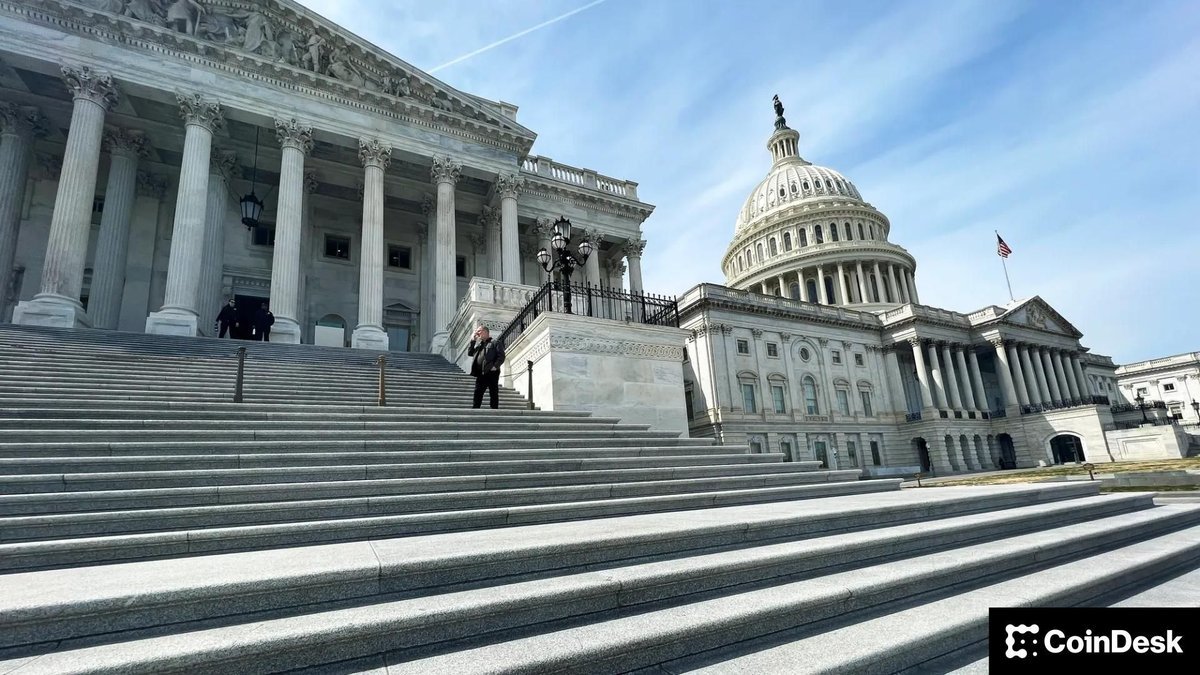




A recent development in the United States’ regulatory landscape may have significant implications for the cryptocurrency market, potentially paving the way for trillions of dollars in 401(k) funds to be invested in digital assets. This shift is anticipated to have far-reaching consequences – not only for the cryptocurrency sector, but also for the broader financial industry. The impact will be felt across the board.
The U.S. Department of Labor has announced a rule change that could facilitate the inclusion of cryptocurrency in 401(k) plans. This means millions of American workers will have the opportunity to diversify their retirement portfolios with digital assets. The move is expected to attract considerable attention from investors, financial institutions, and regulatory bodies alike. After all, it may unlock a vast and previously inaccessible source of capital for the cryptocurrency market.
The new rule, set to take effect on December 20, 2022, aims to provide clarity and guidance for employers and plan administrators regarding the inclusion of cryptocurrency in 401(k) plans. By doing so, it may help alleviate concerns and uncertainties that have previously hindered the adoption of digital assets in retirement accounts. As a result, an estimated $10.3 trillion in 401(k) funds could potentially be invested in cryptocurrencies, according to a report by Forbes. That’s a staggering amount of money.
The potential impact of this regulatory shift on the cryptocurrency market cannot be overstated. With trillions of dollars in potential investment capital, the demand for digital assets could increase substantially. This would lead to higher prices and greater market liquidity. Furthermore, the inclusion of cryptocurrency in 401(k) plans may help legitimize digital assets as a viable investment option. This could attract a wider range of investors and contribute to the mainstream adoption of cryptocurrencies. It’s an exciting prospect.
Fidelity Investments has weighed in on the matter, stating, “We believe that digital assets have the potential to play an increasingly important role in the financial system, and we are committed to providing our clients with access to these assets in a safe and secure manner.” Other industry leaders echo this sentiment, seeing the potential for cryptocurrency to become a significant component of retirement portfolios in the United States. They’re taking notice of the shift.
However, it’s essential to note that the new rule does not require employers to include cryptocurrency in their 401(k) plans. Instead, it provides guidance on how to do so in a compliant manner. The extent to which cryptocurrency is adopted in 401(k) plans will depend on various factors. These include the level of interest among plan participants, the willingness of employers to offer digital assets, and the development of infrastructure and regulatory frameworks to support the safe and secure investment in cryptocurrencies. There are still many variables at play.
In conclusion, the regulatory shift in the United States has the potential to unlock trillions of dollars in 401(k) funds for cryptocurrency investment. This could have significant implications for the cryptocurrency market and the broader financial industry. As the market continues to evolve, it’s crucial to monitor developments and assess the potential risks and benefits associated with the inclusion of digital assets in retirement accounts. With the new rule set to take effect, industry leaders, investors, and regulatory bodies will be closely watching the developments in this space. The potential for cryptocurrency to become a significant component of retirement portfolios in the United States is becoming increasingly apparent. It will be interesting to see how things unfold.