


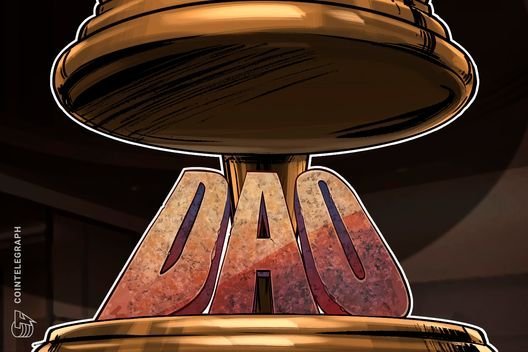

The cryptocurrency sector’s ongoing pursuit of mainstream acceptance and integration with traditional institutions is presenting Decentralized Autonomous Organizations (DAOs) with a significant dilemma. As these institutions become increasingly interested in the potential of blockchain technology and cryptocurrency, DAOs are being compelled to reevaluate their operational structures and priorities. The core issue at hand is the potential need for DAOs to reassess their commitment to decentralization, a fundamental principle of their existence, in order to forge viable business partnerships with institutional entities.
This conundrum underscores the complex interplay between the ideals of decentralization, which emphasize community-driven decision-making and the absence of centralized control, and the practical realities of engaging with institutions that often operate within traditional, centralized frameworks. The push for institutional adoption is driving a reexamination of how DAOs can maintain their core values while also becoming more appealing and accessible to a broader range of partners, including those from the financial and corporate sectors. It’s a challenging situation, and one that requires careful consideration.
DAOs, by their very nature, are designed to operate in a decentralized manner, relying on smart contracts and collective governance models to facilitate decision-making and the management of resources. This approach has been instrumental in fostering a sense of community and shared purpose among participants, as well as in ensuring that the organization remains resilient and adaptable in the face of changing circumstances. The decentralized structure of DAOs has been a key factor in their success so far. However, this structure can also create barriers to entry for institutional investors and partners, who may be accustomed to dealing with more traditional, centralized entities. This is a major hurdle that DAOs need to overcome.
The challenge for DAOs, therefore, is to strike a balance between preserving their decentralized ethos and creating an environment that is conducive to institutional engagement. This may involve implementing certain centralized elements or structures that can provide the necessary reassurance and compliance with regulatory requirements, without compromising the fundamental principles of decentralization that underpin the DAO’s existence. It’s a delicate balance to achieve, as any shift towards centralization could potentially undermine the trust and confidence of the community, while a failure to adapt could limit the DAO’s ability to secure significant partnerships and investments. The stakes are high, and the decisions made now will have a lasting impact on the future of DAOs.
The cryptocurrency and blockchain landscape is evolving rapidly, with new opportunities and challenges emerging on a regular basis. As DAOs navigate this complex terrain, they must remain vigilant and responsive to the needs of their community, while also being open to innovation and strategic partnerships that can help drive growth and mainstream acceptance. The ability of DAOs to successfully navigate this crossroads will be crucial in determining their long-term viability and impact within the broader cryptocurrency ecosystem. By embracing this challenge and finding creative solutions that reconcile decentralization with institutional engagement, DAOs can pave the way for a more inclusive, resilient, and dynamic financial future. This is an exciting time for DAOs, and their ability to adapt and evolve will be key to their success.