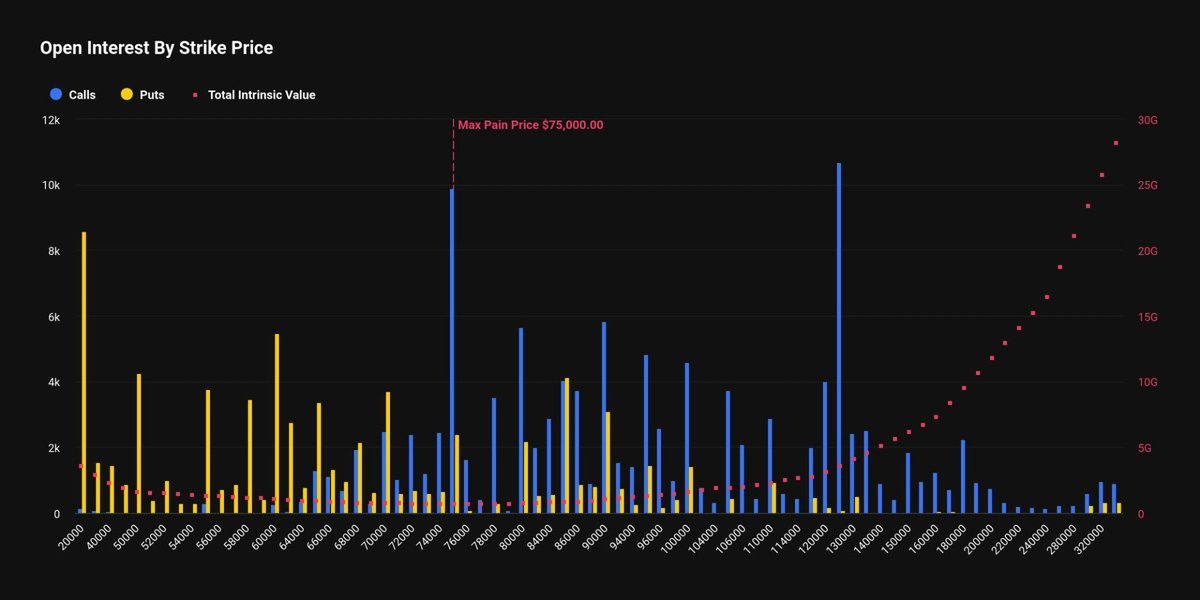




The cryptocurrency market, particularly Bitcoin, has taken a significant hit, with its value plummeting to $72,300. This downturn is largely attributed to the escalating conflict in the Strait of Hormuz, which has led to a surge in oil prices, and the latest U.S. inflation data, which has exceeded expectations. As a result, traders have revised their expectations regarding potential interest rate cuts by the Federal Reserve, leading to a substantial decrease in risk assets, including cryptocurrencies and stocks. On Wednesday, the cryptocurrency market came under intense pressure due to the convergence of two major macroeconomic factors, which have significantly impacted investor sentiment and market dynamics.
The ongoing conflict in the Strait of Hormuz has resulted in increased oil prices, as the region is a critical chokepoint for global oil supplies. This development has contributed to heightened geopolitical tensions, leading to a decline in investor appetite for riskier assets, such as cryptocurrencies. The latest U.S. inflation data has also revealed a higher-than-expected increase, prompting traders to reevaluate their expectations regarding the Federal Reserve’s monetary policy. The prospect of higher interest rates has led to a decrease in demand for cryptocurrencies, exacerbating the downward trend in the market. It’s a complex situation, and investors are taking note.
As the cryptocurrency market continues to grapple with the challenges posed by these macroeconomic factors, investors are adopting a cautious approach, leading to a decline in trading volumes and asset values. The situation is being closely monitored by market participants, who are awaiting further developments and potential catalysts that could influence the trajectory of the cryptocurrency market. With the current outlook remaining uncertain, it’s essential to stay informed about the latest developments and their potential impact on the market. This means keeping a close eye on the news and being prepared for any changes that may come.
The combination of rising oil prices, high inflation, and reduced expectations of a Federal Reserve rate cut has created a perfect storm, putting significant pressure on the cryptocurrency market. As the situation continues to unfold, it’s crucial to analyze the evolving macroeconomic landscape and its implications for the market. The decline in Bitcoin’s value to $72,300 serves as a testament to the market’s sensitivity to external factors, highlighting the need for investors to remain vigilant and adapt to changing market conditions. This is a challenging time for the market, and investors need to be prepared.
In conclusion, the cryptocurrency market is facing significant challenges due to the confluence of global tensions, soaring inflation, and revised expectations regarding the Federal Reserve’s monetary policy. As the market continues to navigate these complexities, it’s essential to stay informed and up-to-date on the latest developments, ensuring that investors are well-equipped to make informed decisions and respond to the evolving market landscape. The current situation underscores the importance of ongoing monitoring and analysis, as the cryptocurrency market remains highly susceptible to external factors and macroeconomic trends. It’s a delicate balance, and investors need to be aware of the potential risks and opportunities. The market will likely continue to evolve, and investors need to be prepared to adapt to any changes that may come.