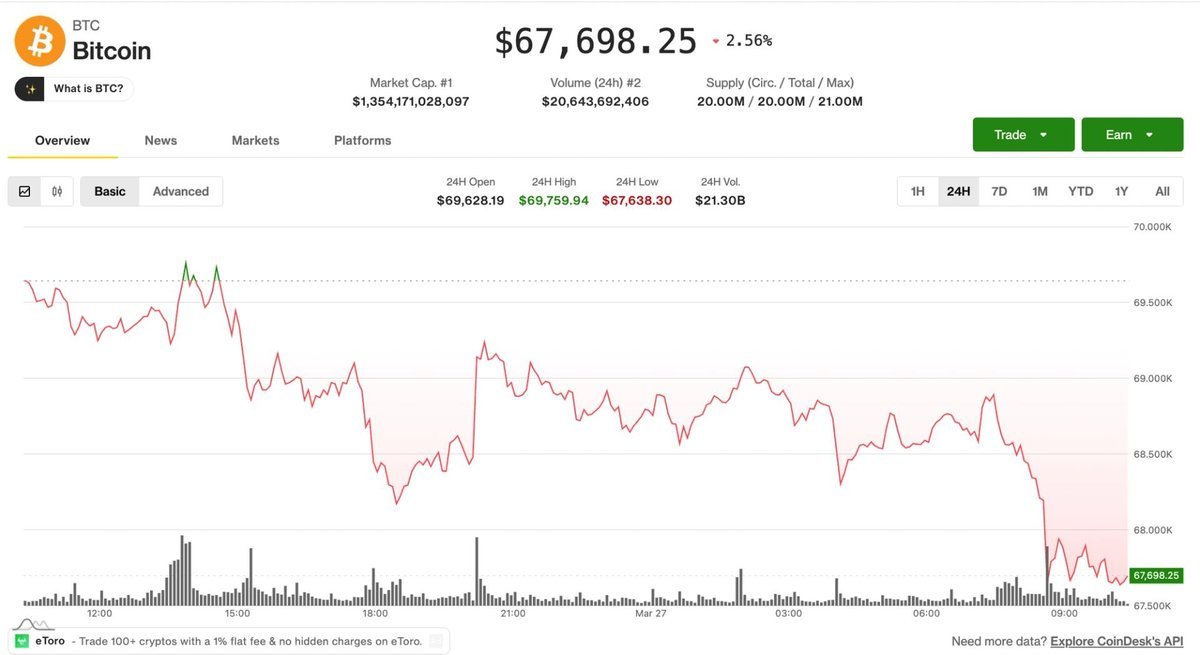


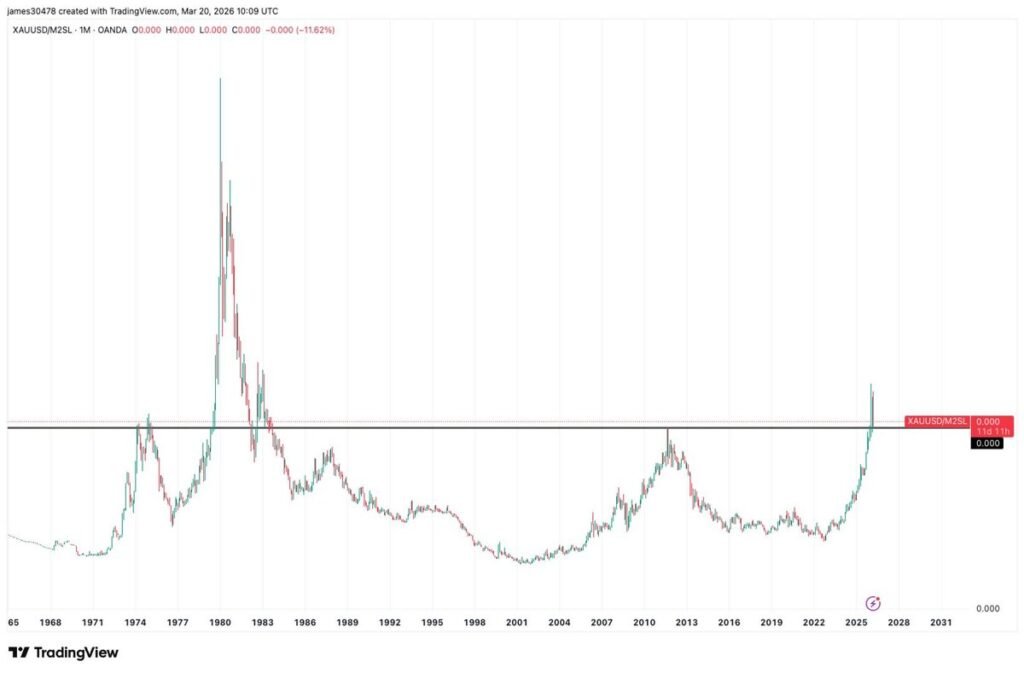

The current market landscape is witnessing a notable shift in the performance of gold and bitcoin, with the former experiencing a decline in value amidst increasing macro pressures, while the latter continues to exhibit a consistent trend in maintaining liquidity. As of the latest observations, gold has faltered, unable to withstand the mounting macroeconomic pressures that are influencing investor decisions and market fluctuations. Conversely, bitcoin has demonstrated an unwavering ability to hold its liquidity trend, a phenomenon that underscores its resilience and adaptability within the cryptocurrency market.
The downward trend in gold prices can be attributed to a combination of factors, including shifts in investor sentiment, changes in global economic policies, and the ongoing impact of the COVID-19 pandemic on financial markets. As investors navigate through these uncertain times, their preference for assets that are perceived as safer or more liquid has become increasingly evident. This shift in preference has naturally led to a decrease in the appeal of gold, which, despite its historical reputation as a safe-haven asset, is currently struggling to maintain its value amidst the prevailing macroeconomic pressures.
On the other hand, bitcoin, the flagship cryptocurrency, has been observing a steady trend in terms of liquidity. This trend is indicative of bitcoin’s ability to attract and retain investors, even in the face of significant market volatility. The resilience of bitcoin in maintaining its liquidity is a testament to its growing acceptance and integration into the mainstream financial landscape. As more investors and financial institutions become aware of the potential of cryptocurrencies, the liquidity of bitcoin is likely to continue, thereby reinforcing its position as a viable and attractive asset within the digital currency space.
The interplay between gold and bitcoin, as observed in their recent performance, highlights the evolving dynamics of the financial markets. While gold has traditionally been viewed as a store of value and a hedge against inflation, bitcoin is increasingly being recognized for its potential to provide a similar, if not enhanced, level of security and liquidity. This shift in perspective is not only reflective of the changing investor preferences but also indicative of the growing maturity of the cryptocurrency market.
As the financial landscape continues to evolve, with macro pressures and market fluctuations playing a significant role in shaping investor decisions, the performance of gold and bitcoin will remain under close scrutiny. The ability of bitcoin to maintain its liquidity trend, despite the challenges posed by macroeconomic factors, is a significant development that underscores its potential as a resilient and adaptable asset. Conversely, the struggle of gold to withstand these pressures serves as a reminder of the complexities and uncertainties that characterize the current market environment.
In conclusion, the recent trends in the cryptocurrency market, particularly the faltering of gold amidst macro pressures and the consistent liquidity trend of bitcoin, underscore the dynamic and evolving nature of financial markets. As investors and financial institutions continue to navigate these complexities, the resilience and adaptability of cryptocurrencies like bitcoin are likely to play a pivotal role in shaping the future of the digital currency space. With the ongoing integration of cryptocurrencies into the mainstream financial landscape, the interplay between traditional assets like gold and digital currencies like bitcoin will remain a subject of significant interest and analysis, providing insights into the evolving preferences and strategies of investors in the face of an ever-changing market environment.