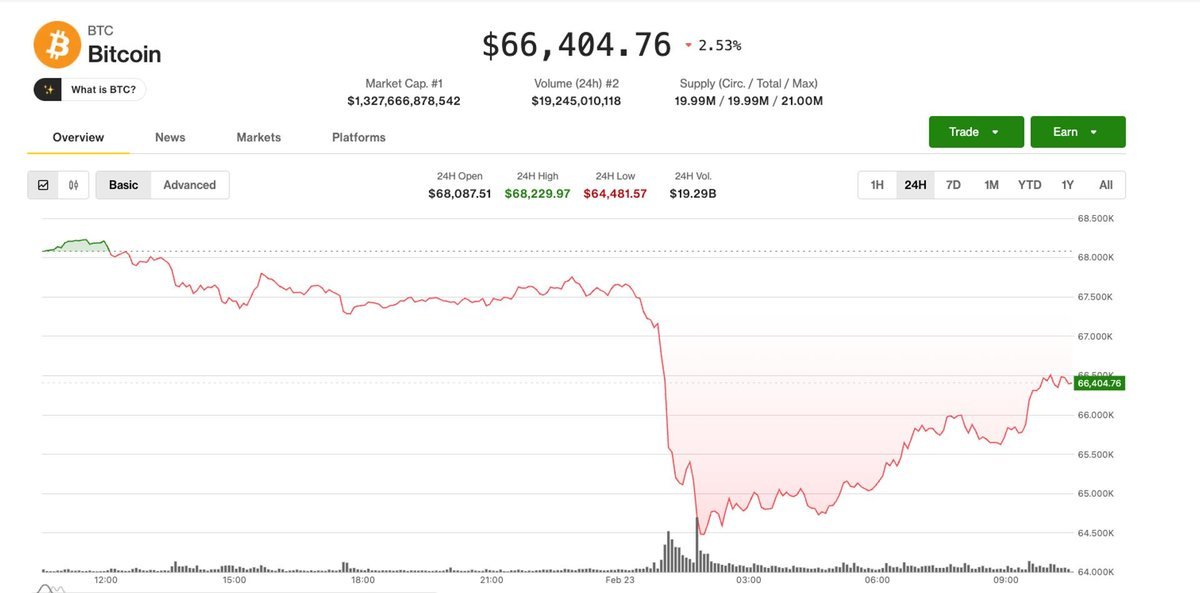


The current landscape of global uncertainty, coupled with the profound impact of AI disruption, is prompting investors and operators to reevaluate their approaches. They’re shifting from a singular focus on growth at all costs to a more nuanced emphasis on resilience and optionality. This change is happening because business leaders and investors are grappling with an increasingly complex economic and geopolitical environment. A pervasive sense of uncertainty is significantly influencing decision-making processes across various sectors. This shift in mindset reflects a broader recognition that traditional models of investment and operation – which once prioritized rapid growth above all else – may no longer be tenable in the face of such uncertainty.
Instead, there’s a growing acknowledgment of the importance of adopting strategies that prioritize flexibility, adaptability, and the ability to withstand unforeseen challenges. The intersection of global uncertainty and AI disruption is creating a highly dynamic and unpredictable business environment. Investors are now more cautious, seeking to mitigate risk while still pursuing opportunities for growth. This reassessment of risk is leading to a more diversified and resilient investment landscape, where the ability to adapt quickly to changing circumstances is seen as a critical component of long-term success. As the world navigates these uncharted waters, the interplay between global uncertainty, AI disruption, and investment strategies will continue to evolve. This means business leaders and investors will need to constantly reassess their priorities and approaches.
Furthermore, the implications of this shift extend beyond the realm of investment. Companies are also being compelled to reconsider their operational models and strategic planning processes. The need for resilience and optionality is driving innovation in areas like supply chain management, talent acquisition, and technological adoption. Businesses are striving to build robust and agile systems capable of withstanding the stresses of an uncertain global environment. In this context, the role of AI and other emerging technologies is not just about driving growth, but also about enhancing resilience and providing companies with the tools they need to navigate complex and unpredictable scenarios.
As investors and business leaders move forward in this new landscape, they’re faced with the challenge of balancing the pursuit of growth with the need for caution and resilience. This delicate balance will require a deep understanding of the evolving nature of global uncertainty and the role of AI disruption in reshaping capital flows and investment strategies. By embracing this new reality and adopting a more adaptive and resilient approach, investors and operators can better position themselves to thrive in a world characterized by rapid change and unpredictability. The path forward will undoubtedly be marked by challenges, but it also presents opportunities for innovation, growth, and the development of more sustainable and resilient business models.
In conclusion, the confluence of global uncertainty and AI disruption is ushering in a new era of investment and business operations. This era prioritizes resilience, optionality, and the ability to adapt to changing circumstances. As the global economy continues to evolve, it’s crucial for investors and business leaders to remain vigilant, to continually reassess their strategies, and to embrace the opportunities and challenges presented by this new landscape. By doing so, they can navigate the complexities of the current environment and emerge stronger, more resilient, and better equipped to succeed in a future marked by ongoing uncertainty and transformation.
Ultimately, the future of investment and business operations will be shaped by the ability of leaders to navigate this complex interplay of factors, to innovate in the face of uncertainty, and to build resilient and adaptive organizations capable of thriving in a rapidly changing world. The journey ahead will be challenging, but for those who are prepared to embrace change, to adapt, and to innovate, the potential rewards are significant. As the global economy continues on its path of transformation, one thing is clear: the ability to navigate turbulent markets, to reassess risk, and to prioritize resilience will be essential for success in the years to come.
This evolving landscape underscores the importance of staying informed, of being open to new ideas and strategies, and of fostering a culture of innovation and adaptability within organizations. By doing so, investors and business leaders can ensure that they are well-positioned to respond to the challenges and opportunities of the future, and to thrive in a world where global uncertainty and AI disruption are continually reshaping the rules of the game. The task ahead is complex, but with the right mindset, the right strategies, and a commitment to resilience and adaptability, it’s possible to navigate even the most turbulent of markets and to emerge stronger and more resilient than ever before.
The reassessment of risk and the shift towards resilience and optionality are not merely reactions to current trends; they represent a fundamental transformation in how businesses and investors approach the challenge of growth and success in uncertain times. This transformation is driven by a deepening understanding of the complex interplay between global events, technological innovation, and economic outcomes. As this understanding continues to evolve, so too will the strategies and approaches employed by investors and business leaders, leading to the development of more robust, more resilient, and more adaptive organizations capable of thriving in a highly uncertain and rapidly changing world.
In the end, the capacity to navigate the complexities of the current global environment, to manage risk effectively, and to prioritize resilience will distinguish those who succeed from those who do not. It’s a challenging and daunting task, but one that also offers immense opportunities for growth, innovation, and the creation of sustainable value. As investors and business leaders embark on this journey, they must remain focused on the long-term, committed to adaptability, and open to the new ideas and strategies that will define success in the years to come. By embracing this mindset and by prioritizing resilience and optionality, they can ensure that they are well-equipped to face whatever challenges the future may hold, and to thrive in a world where uncertainty is the only constant.