

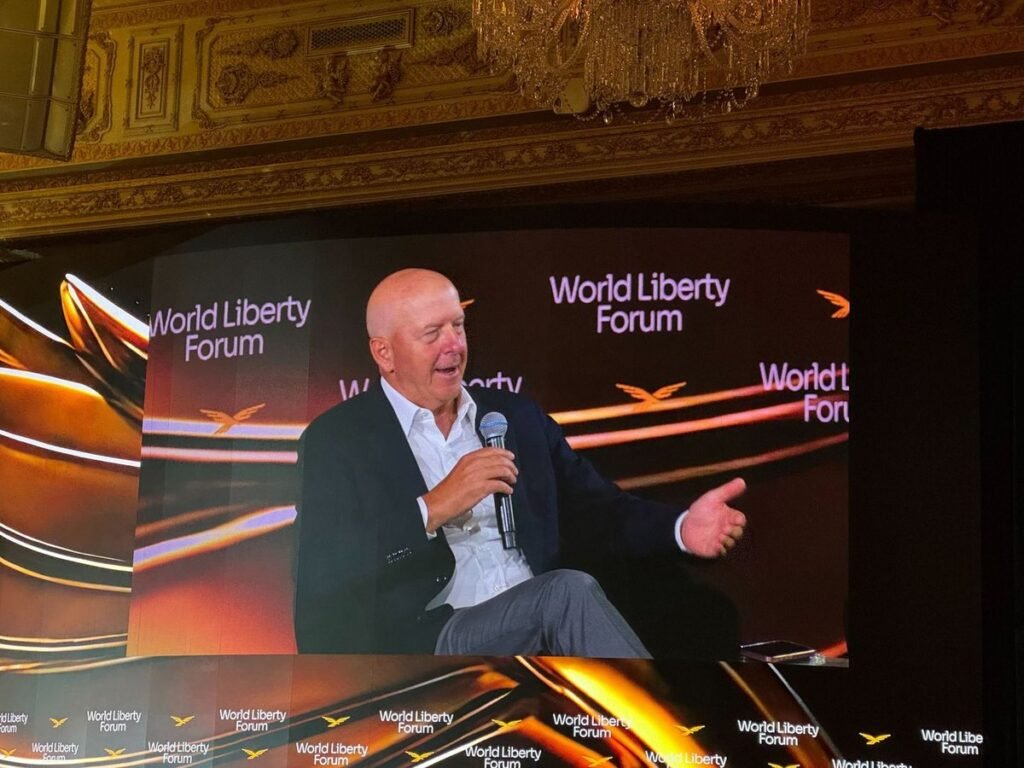

In a recent statement, David Solomon, the Chief Executive Officer of Goldman Sachs, shed light on his personal perspective on bitcoin, acknowledging that he owns a minimal amount of the cryptocurrency. When asked about his involvement with bitcoin, Solomon candidly admitted that he possesses “very little” of the digital asset. However, he also emphasized that he is closely monitoring the developments in the cryptocurrency space, particularly with regards to bitcoin.
Solomon’s remarks provide valuable insight into the mindset of a prominent figure in the traditional financial sector, as he navigates the evolving landscape of digital currencies. By disclosing that he owns a negligible amount of bitcoin, Solomon appears to be adopting a cautious stance, refraining from making any substantial investments in the cryptocurrency. This approach is not entirely surprising, given the volatility and unpredictability that have come to characterize the bitcoin market.
At the same time, Solomon’s statement that he is watching bitcoin closely suggests that he recognizes the potential significance of the cryptocurrency and is keen to stay informed about its progress. This dual approach – exercising caution while remaining vigilant – is likely reflective of the nuanced perspective that many institutional investors and financial experts have adopted when it comes to bitcoin and other digital assets.
As the CEO of Goldman Sachs, Solomon’s views on bitcoin are likely to be scrutinized by market participants and observers alike. His comments may be seen as a reflection of the firm’s overall stance on cryptocurrency, although it is essential to note that Solomon’s personal opinions may not necessarily align with the company’s official position.
In recent years, Goldman Sachs has taken steps to engage with the cryptocurrency market, including the establishment of a dedicated cryptocurrency trading desk. However, the firm’s foray into the digital asset space has been marked by a measured approach, with a focus on providing services and solutions that cater to the needs of its clients rather than making bold bets on the market.
Solomon’s statement that he owns “very little” bitcoin serves as a reminder that, despite the growing interest in cryptocurrency, many institutional investors and financial professionals remain wary of the asset class. The lack of clear regulatory frameworks, combined with the inherent volatility of the market, has contributed to a sense of uncertainty and trepidation among some investors.
Nevertheless, the fact that Solomon is watching bitcoin closely underscores the recognition that digital assets are likely to play an increasingly important role in the financial landscape. As the cryptocurrency market continues to evolve, it will be interesting to observe how Solomon’s perspective on bitcoin and other digital assets unfolds, and whether his cautious yet watchful approach will give way to a more pronounced involvement in the space.
In conclusion, David Solomon’s comments on bitcoin offer a glimpse into the thought process of a key figure in the traditional financial sector, as he grapples with the implications of digital assets on the future of finance. While his personal investment in bitcoin may be limited, his decision to monitor the market closely highlights the complexities and nuances of the cryptocurrency landscape, where caution and vigilance are essential for navigating the opportunities and challenges that lie ahead.